
Why Stretching Isn’t Enough: Strength, Mobility & Neck Pain Relief
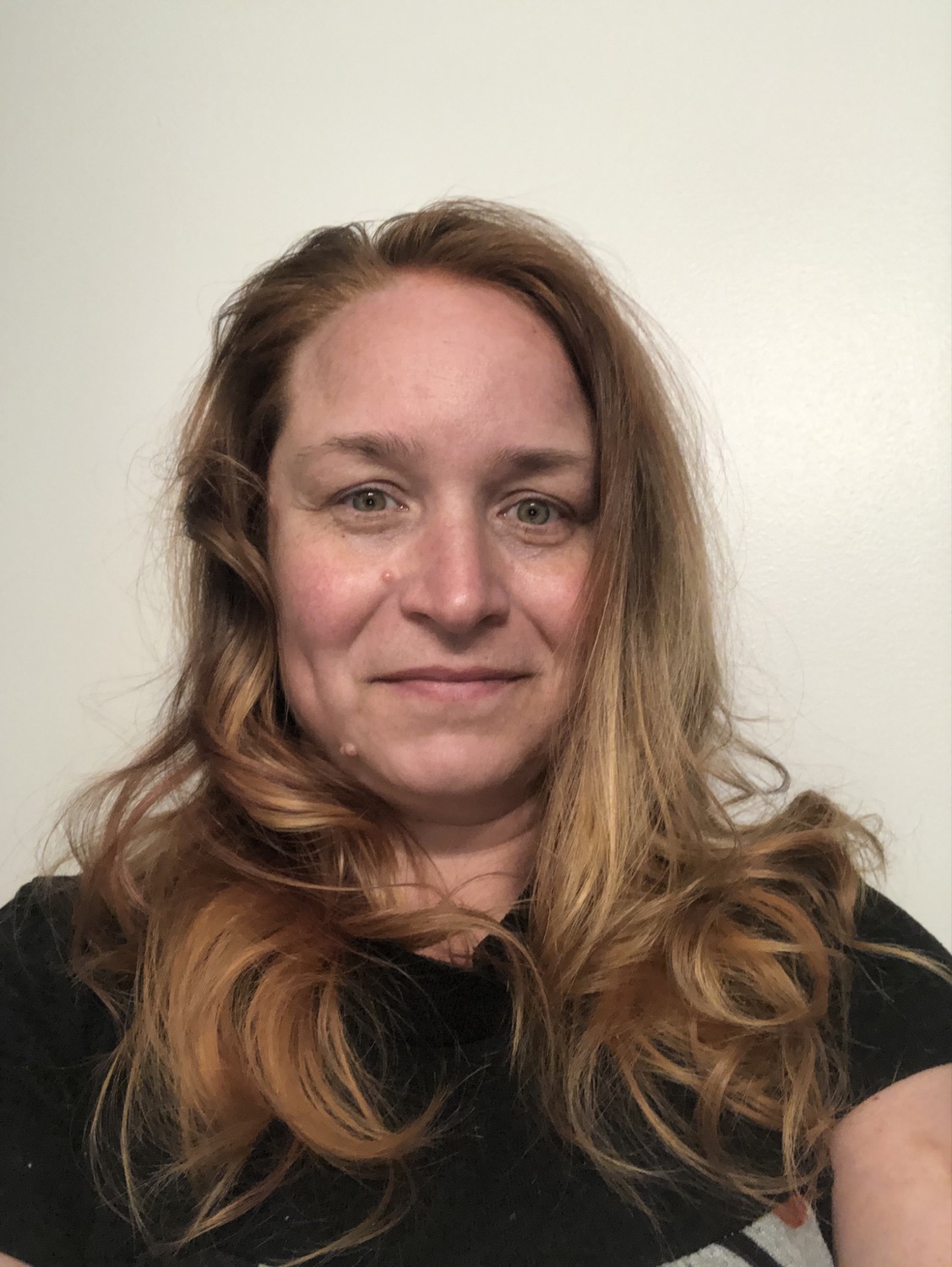
What Breaking My Neck Taught Me About Pain, Strength, and True Healing
There was a time in my life when I thought flexibility was the answer to everything.
As a yoga teacher and bodyworker, I understood movement deeply. I stretched, breathed, opened, softened. But after breaking my neck and going through extensive rehabilitation, I learned something that completely changed the way I understand pain and healing:
Flexibility without strength is instability.
And instability creates compensation, tension, and eventually pain.
For years, many people were taught that stretching was the solution for tight muscles, stiff joints, headaches, back pain, and poor posture. And yes—mobility matters. A healthy body should move well. But what I discovered through my own recovery, and through decades of working with clients, is that stretching alone often misses the deeper issue.

Sometimes the body isn’t tight because it needs more flexibility.Sometimes it’s tight because it doesn’t feel safe.
The nervous system will tighten muscles around weak or unstable areas in an attempt to protect you. The body is incredibly intelligent. If a joint lacks support, surrounding muscles often grip and compensate to create stability. You can stretch those muscles all day long, but if you never address the weakness underneath, the tension usually returns.
This is especially true with the neck.
The modern world is brutal on our posture. Hours spent looking down at phones, sitting at computers, driving, stress-clenching our jaws, shallow breathing, poor sleep, emotional stress—it all accumulates. Many people live with chronic neck tension, headaches, numbness, dizziness, shoulder pain, or reduced mobility without realizing how interconnected everything truly is. The neck is not an isolated structure.It is deeply connected to the shoulders, spine, breath, jaw, core, nervous system, and even emotional state.
After my injury, rehabilitation forced me to rethink movement completely. I had to rebuild strength carefully and intelligently. Not just large muscles—but stabilizing muscles. Deep support systems. Functional movement patterns. Range of motion with control.
And this is where so many people get stuck: They chase flexibility without building resilience. A muscle that is both strong and mobile creates freedom. A body that can move through full range of motion while maintaining stability is far less likely to compensate, inflame, or break down under stress.
This is one of the reasons I became interested in tools like the Iron Neck.
Most people never think about training their neck directly, even though it carries the weight of the head all day, absorbs stress constantly, and plays a major role in posture, balance, athletic performance, and chronic pain patterns. Gentle, progressive neck strengthening—combined with mobility work, breathwork, and proper alignment—can be transformative for many people.
But healing is never just about one exercise or one tool. The body must always be viewed as a whole. Inflammation can absolutely contribute to pain and tension. Foods that irritate the body may increase systemic inflammation, joint discomfort, headaches, and muscular tightness. Poor sleep reduces recovery and increases pain sensitivity. Chronic stress changes breathing patterns, elevates cortisol, tightens muscles, and keeps the nervous system stuck in survival mode. Even emotional overload can show up physically in the shoulders, jaw, hips, and neck.
I often say that pain is rarely just physical.It’s usually a conversation happening between multiple systems at once. That’s why true healing requires a more holistic approach.
Yes, stretch.But also strengthen.
Yes, improve mobility.But also improve stability.
Yes, release tension.But also build resilience.
The goal is not simply to become more flexible.The goal is to create a body that feels supported, adaptable, strong, and free.
And perhaps most importantly: healing takes patience.
After serious injury, I had to let go of the idea of “pushing through.” I had to learn to work with my body instead of against it. Some days healing looked like movement. Some days it looked like rest. Some days it looked like strength training. Some days it looked like sleep, nourishing food, or simply calming my nervous system enough for my body to stop bracing against life.
That experience changed not only how I heal—but how I guide others. Because when we stop treating symptoms in isolation and begin supporting the body as an interconnected system, everything changes. The body begins to trust us again. And that’s often where real healing begins.
Inspired by my own rehabilitation journey and decades of experience in yoga, bodywork, and integrative wellness.
What helped me most wasn’t forcing my body—it was learning how to support it properly. If you’d like to explore that approach further, book an appointment with me. I’ve also created a yoga library with gentle practices for mobility, posture, and nervous system support, and I also share some of the tools that became part of my own rehabilitation journey, including the Iron Neck.


Comments