
Why So Many People Are Struggling to Sleep
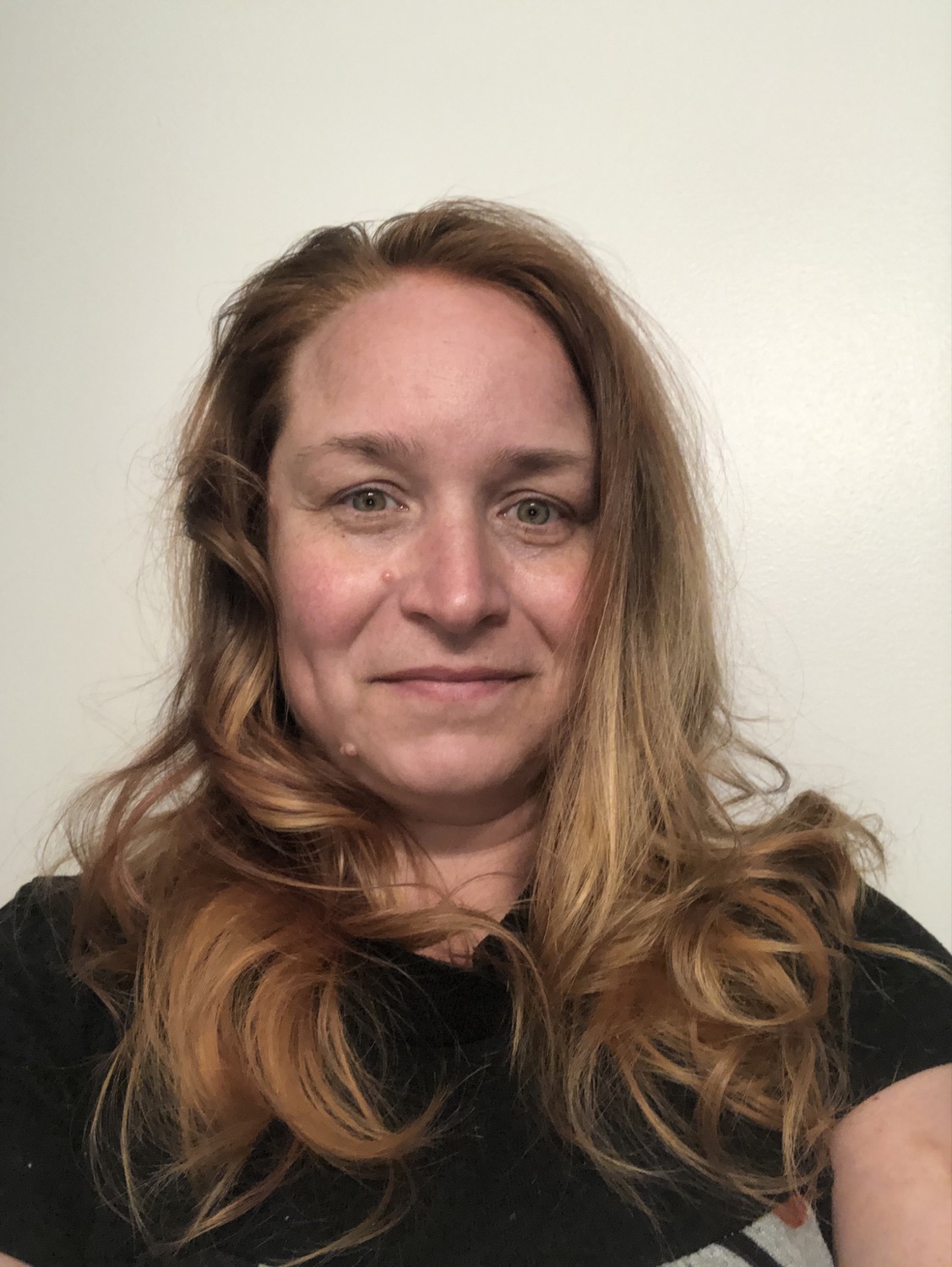
Sleep has been a lifelong journey for me.
I struggled with sleep even as a baby, and throughout much of my life I experienced periods of insomnia, restless nights, racing thoughts, exhaustion, and the frustrating cycle of being deeply tired while unable to truly rest. Over the years, my own health challenges pushed me to study wellness, the nervous system, hormones, stress, nutrition, and natural healing practices more deeply — not only for myself, but eventually for the people I began helping professionally as well.
And honestly, the difference that proper sleep makes is extraordinary.
When we sleep well, everything changes.
Mood changes.
Hormones change.
Energy changes.
Healing changes.
The entire experience of life changes.
That is one of the reasons this subject touches me so deeply, and why I felt so passionate about creating solutions and sharing what I have learned along the way.
Modern Life Has Pulled Us Away From Natural Rhythms
Sleep should be one of the most natural things in the world, yet for millions of people it has become increasingly difficult. So many are exhausted by the end of the day, only to lie awake staring at the ceiling while their mind continues racing. Others fall asleep easily but wake up throughout the night, unable to settle back into deep rest. Some wake up tired no matter how many hours they spend in bed, moving through life foggy, anxious, depleted, and disconnected from themselves.
Modern life has quietly created the perfect environment for insomnia.
We are constantly stimulated by screens, noise, stress, notifications, artificial lighting, information overload, emotional pressure, and nervous system exhaustion. Many people move through their entire day in a subtle state of survival mode without even realizing it. The body was never designed to process this level of stimulation twenty-four hours a day.
Years ago, humans lived much closer to the rhythms of nature. We woke with sunlight, moved our bodies throughout the day, and slowed down naturally when darkness arrived. Today, many people answer emails late into the evening, scroll social media in bed, eat dinner too late, consume caffeine and sugar, and fall asleep with televisions flickering in the background. The nervous system never truly receives the signal that it is safe to rest.

The Body Repairs During Rest
Sleep is far more important than most people realize. During deep sleep, the body repairs tissues, regulates hormones, supports immune function, restores energy, and recalibrates the nervous system. When sleep becomes disrupted for long periods of time, nearly every system in the body can begin to suffer.
Chronic sleep deprivation has been associated with anxiety, low mood, hormone imbalance, inflammation, weakened immunity, cravings, weight gain, poor concentration, irritability, and emotional burnout. Many people try to push through exhaustion, believing rest is something that must be earned. But eventually the body begins asking for what it truly needs.
Sometimes through fatigue.
Sometimes through anxiety.
Sometimes through burnout.
And sometimes through insomnia itself.
Exhausted But Wired
One of the biggest contributors to poor sleep today is chronic stress and elevated cortisol. Even when people are physically tired, their nervous system often remains activated. The body becomes stuck in “fight or flight” mode, making it difficult to fully relax. This is why so many people feel exhausted but wired at the same time.
Many people have forgotten what true relaxation even feels like. Constant pressure, multitasking, emotional stress, and overstimulation keep the body alert long after the day has ended. Even lying in bed, the nervous system may still be bracing for the next demand, notification, or worry.
The Many Hidden Causes of Insomnia
Technology also plays a major role. Artificial blue light from phones, tablets, and televisions can interfere with melatonin production, one of the hormones involved in healthy sleep cycles. Endless scrolling also overstimulates the brain emotionally and mentally during the very hours when the nervous system should be winding down.
Food can influence sleep more than people realize as well. Heavy late-night meals, excessive sugar, alcohol, caffeine, and unstable blood sugar can all interfere with restful sleep. Many people wake up in the middle of the night due to blood sugar fluctuations and stress hormone surges without understanding why.
Hormonal changes may also deeply impact sleep quality, especially during periods such as perimenopause and menopause. Cortisol, progesterone, estrogen, thyroid health, insulin regulation, and nervous system balance all play important roles in our ability to rest deeply.
The Nervous System Needs Safety to Sleep
The encouraging news is that the body wants to heal.
Sleep often improves not through one magical solution, but through creating an environment where the nervous system finally feels safe enough to rest again.
Simple practices can make a profound difference over time. Reducing screen exposure before bed, dimming lights in the evening, spending more time outdoors, stabilizing blood sugar, moving the body regularly, creating calming nighttime rituals, and supporting the nervous system through meditation, yoga, breathwork, massage, sound healing, or magnesium baths may all help restore deeper sleep naturally.
Sometimes healing insomnia is not just about sleeping more.
Sometimes it is about learning how to slow down again.
To breathe again.
To feel safe again.
To reconnect with rhythms that modern life has pulled us away from.
Deep Rest Is Not Laziness
One of the greatest misconceptions in modern culture is that rest must be earned through exhaustion. Many people have been conditioned to believe productivity is more valuable than restoration, and that slowing down somehow means falling behind.
But the body does not heal in survival mode.
Deep rest is not laziness. It is one of the most essential forms of healing available to us. Sleep is where the body repairs, the mind integrates, and the nervous system recalibrates. Without adequate rest, even the healthiest lifestyle practices become harder for the body to sustain.
Sometimes the most powerful thing we can do is finally give ourselves permission to rest.
Discover Sleep Magic
This is exactly why I created my ebook, Sleep Magic: Rest Deeply, Wake Radiant — The Feel Fabulous Sleep Solution.
Inside, I explore the deeper roots of insomnia, from stress and hormones to food, technology, nervous system imbalance, emotional exhaustion, and modern lifestyle habits that quietly disrupt our sleep. More importantly, it offers many natural, practical, and holistic solutions to help you rebuild your relationship with rest.
Sleep Magic is not about forcing the body to sleep. It is about creating the conditions where sleep can return naturally.
It includes gentle guidance on evening rituals, sleep hygiene, calming practices, natural remedies, food and lifestyle support, nervous system regulation, and ways to bring more rhythm, softness, and restoration back into your life.
A Gentle Invitation Back to Rest
If this resonates with you, I also offer a gentle free yoga class for insomnia, designed specifically to support relaxation, nervous system regulation, and deeper sleep. Through calming movement, breathwork, and restorative practices, the class is intended to help guide the body back toward softness, stillness, and rest.
You deserve to sleep well.
You deserve to feel restored.
And healing is possible.


Comments